

Just A Drop Projects Report | 2025
Download the report
We are pleased to present this final report for the two projects at Mii Secondary School and St. Mary’s Komboyoo Girls Secondary School, Kenya, delivered with the support of First Rate.
The positive news is that the children at both schools now have access to safe water, all year round – there are 222 students at St. Mary’s and 285 at Mii Secondary School, so a total of 507 children who have been positively affected by this work.
Just a Drop also delivered the further elements of the project, which overall will achieve a huge impact and as all the work is fully sustainable, benefits will continue for many years to come, reaching hundreds more children.
Previously, neither school had access to safe water, St Mary’s used a borehole, where the water was salty and not fit to drink and Mii had some small plastic tanks, which produced only a tiny amount of water, compared to the need. At other times, the schools would buy in water, or ask parents to provide it – but this water was often dirty and contaminated, certainly not fit to be drunk by children.
This lead to high rates of illness across the schools. Classes were missed and education suffered, the lack of water was a real barrier to life.
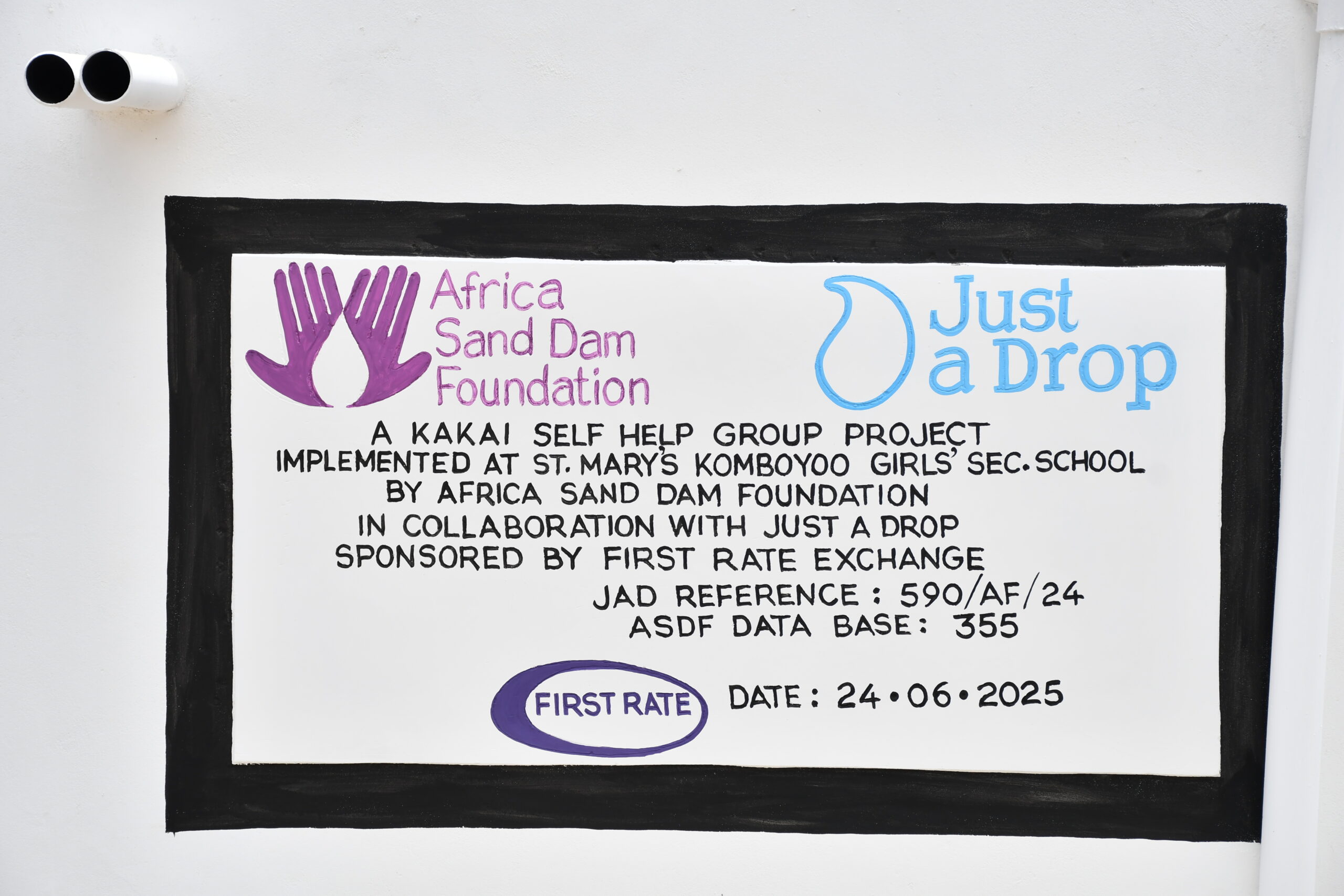
With First Rate’s support, Just a Drop have now constructed a rainwater harvesting tank at each school.
These harvest water during the rainy seasons in Kenya and each holds thousands of litres of water, to meet the schools’ needs, for drinking, cooking, cleaning and washing, as well as irrigation.
An important aspect of the project is to provide hygiene education and hand washing stations, which have now been installed in both schools.

When water is scarce and precious, it’s not always easy to maintain good hygiene
practices. Now, the children know when and how to wash their hands. Just a Drop also formed School Health Clubs, made up of the students themselves, who are now responsible for ensuring that positive hygiene is continued across their school.
The hygiene work included lessons on how to make liquid soap, which further helps to maintain good standards of hygiene. At each school, students made around 80 litres, which will last for some time. As it runs out, raw materials are available locally, to make new batches, some of which can be sold to parents and the community, with the income kept for new materials further down the line.
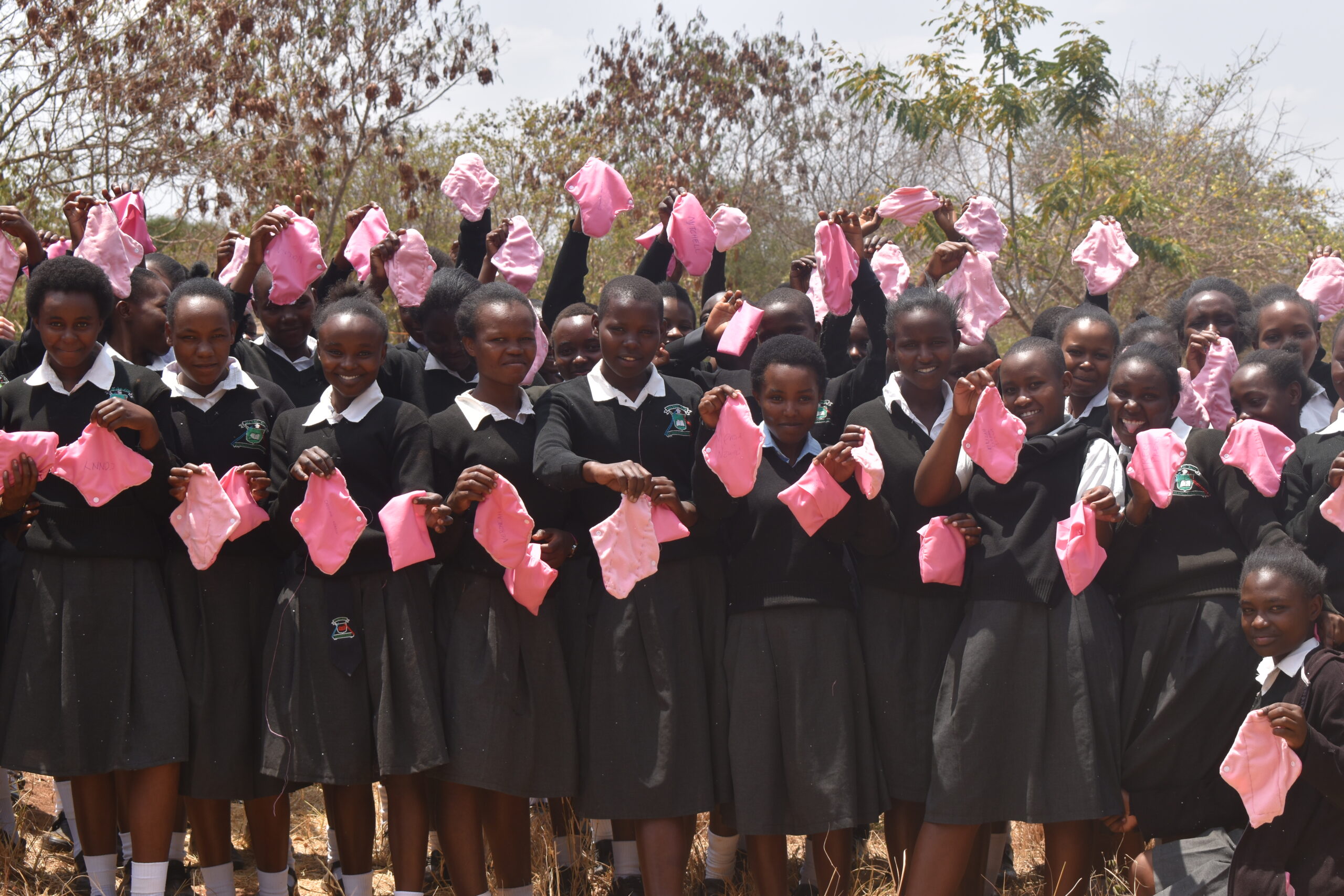
The programme further included menstrual hygiene, for girls, boys and teachers.
We’ve seen that this education makes a real difference in Kenyan schools, with girls more likely to stay in education and be able to attend school during their periods.
Myths, taboos and disinformation need to be tackled, and our programme normalises the topic, providing respect and dignity for girls and a greater understanding by all. As part of the programme, the students made reusable pads, so every girl at the schools now has a supply.
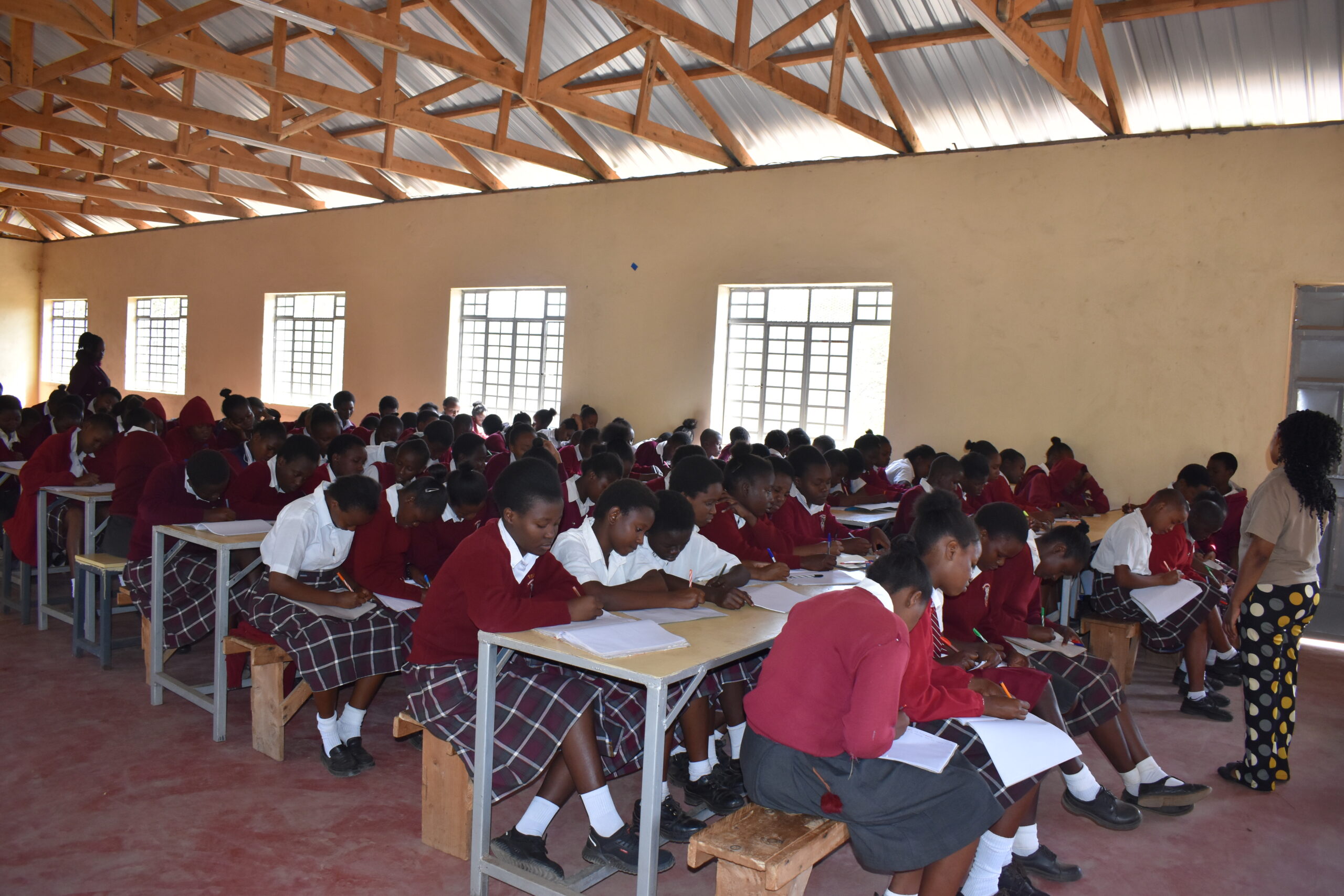
Thanks to the support of First Rate, there will be a huge, positive impact at both schools:
- 507 children will be healthier, as they no longer have to drink dirty water every day
- The children will be able to attend their schools more regularly
- As they can wash their hands regularly, hygiene will improve, practicing positive hygiene behaviours
- Soap, made at school, will enable improved hygiene
- Both schools will be better fit for purpose, with a cleaner, positive environment
- The wider school community benefits, as pupils are encouraged to practice positive hygiene practices at home
- Girls will be able to attend school more frequently and not miss classes during their periods
Both schools are being transformed. As the project is designed to be fully sustainable, the benefits will continue for many years, reaching many new generations of children.